
El invierno se acerca. ¿Está su sistema de plomería exterior preparado?
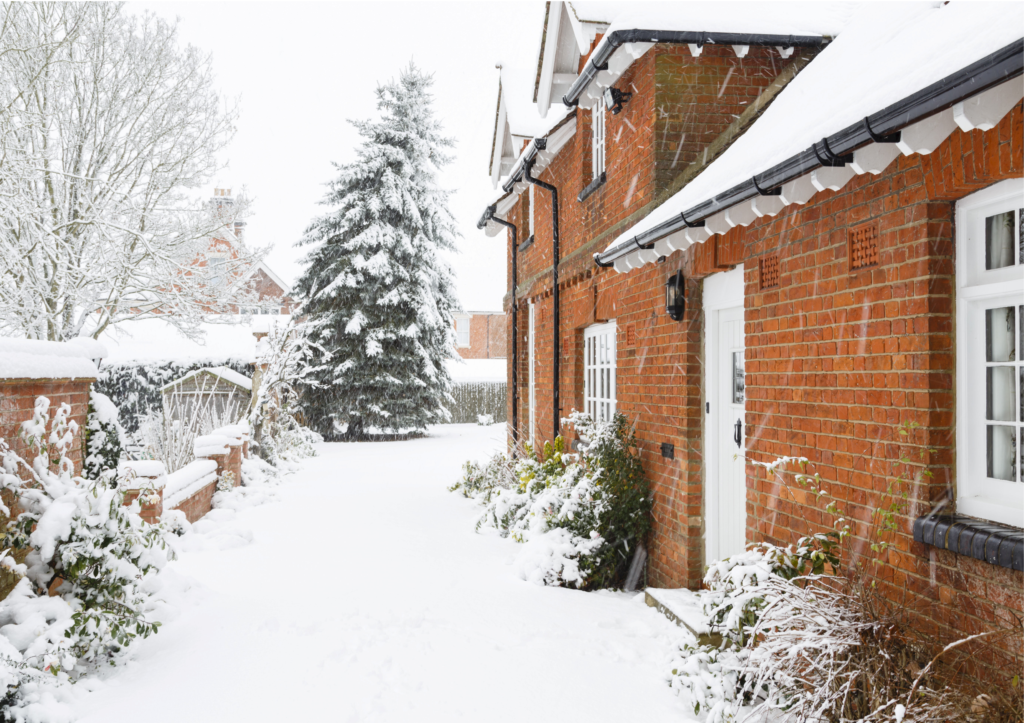
How to Winterize Outdoor Faucets, Sprinklers and Water Features
Your garden hose has been working hard all summer. Your outdoor faucet has kept the water flowing, and your sprinkler system has done its part to make the grass happy. Now, they’ve earned a little winter break.
But before your yard settles in for the season, there’s a little upkeep to do.
Fall is the perfect time to winterize outdoor faucets, garden hoses and sprinkler systems in Albemarle County before freezing temperatures arrive. A little preparation now helps protect your plumbing, conserve water and keep everything in good shape for spring.
How to Winterize Outdoor Faucets and Pipes
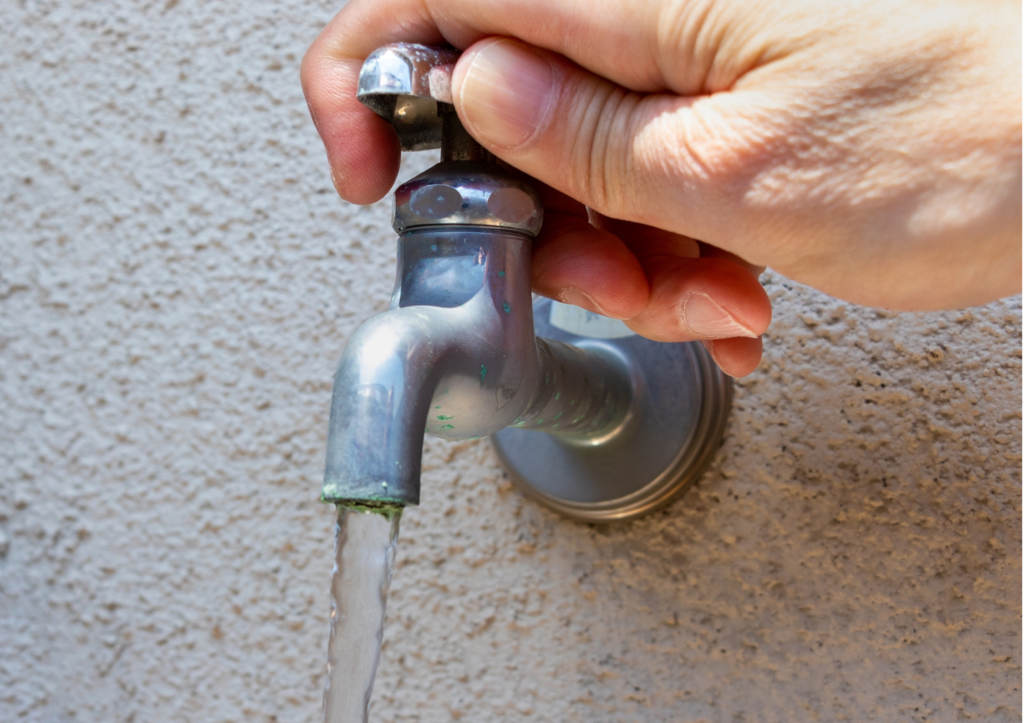
Should you disconnect your garden hose in winter? Absolutely! Your garden hose has done its fair share of work this year, but it’s time to hang it up for the season. (Literally.)
Leaving a hose attached can trap water inside the faucet, preventing proper drainage when temperatures drop. Here’s how to winterize outdoor faucets before colder weather arrives:
- Disconnect garden hoses: Remove hoses from outdoor faucets, drain any remaining water and store them until spring. Don’t forget to remove splitters and watering timers.
- Shut off the water supply: If your home has a dedicated indoor shutoff valve, close it, then open the outdoor faucet to drain the remaining water. No indoor shutoff valve? Some faucets, including many frost-free models, don’t have one. If you’re unsure how your faucet works, a licensed plumber can help determine the best approach.
- Install an insulated outdoor faucet cover: A properly fitted cover adds protection against freezing temperatures, but it doesn’t replace disconnecting hoses or draining water lines when appropriate. Choose a cover that fits snugly against the exterior wall and secure it according to the manufacturer’s instructions. Faucet covers can usually be found at your local hardware store.
What About Frost-Free Faucets?
Despite the name, a frost-free outdoor faucet isn’t freeze-proof! Its shutoff mechanism sits farther inside your home where temperatures are typically warmer. When the faucet is turned off, water in the outer portion should drain automatically if it’s properly installed.
Here’s the catch: A connected garden hose can prevent that drainage. Trapped water may freeze and expand, potentially damaging the faucet or plumbing behind the wall.
So how do you winterize a frost-free outdoor faucet? Disconnect hoses and attachments, turn off the faucet and let it drain completely. Follow the manufacturer’s recommendations for any additional protection.
How to Winterize Sprinklers
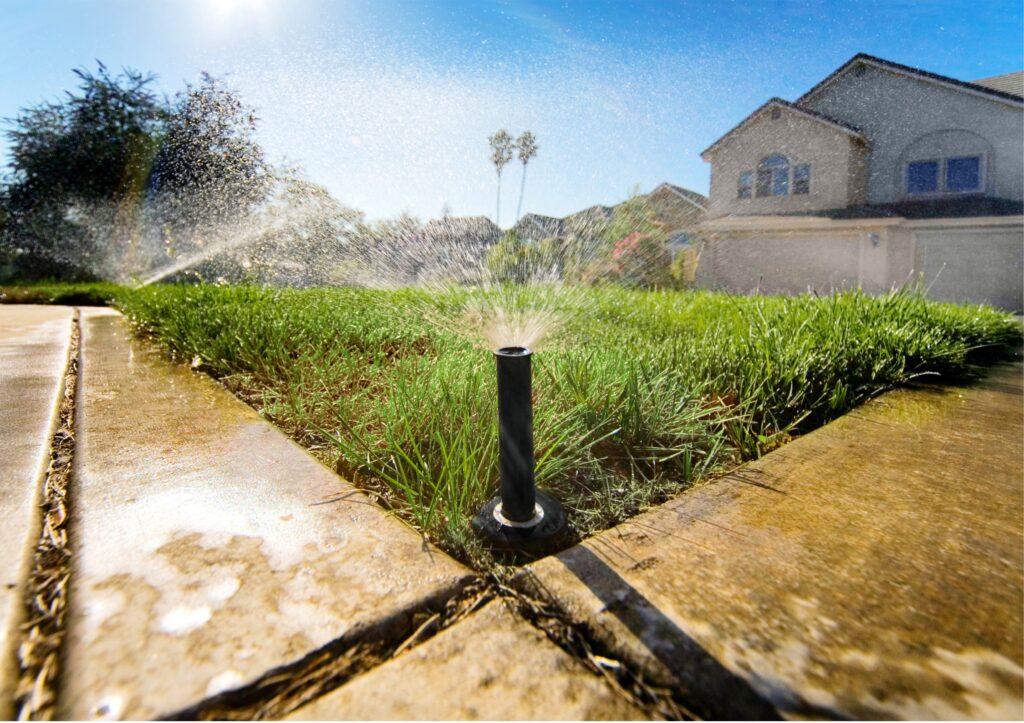
Wondering how to winterize your sprinkler system before the first hard freeze? It takes more than flipping the off switch. Water can remain in underground pipes, valves and sprinkler heads even when the system isn’t running.
Here’s how to prepare your irrigation system for winter:
- Shut off the water supply: Locate and close your irrigation system’s dedicated shutoff valve.
- Drain the irrigation lines: Depending on your system, this may involve manual or automatic drainage or a professional sprinkler blowout, which uses compressed air to remove remaining water.
- Adjust your irrigation controller: Set it to the manufacturer’s recommended winter or off setting. Bring removable battery-operated watering timers indoors when appropriate.
- Protect the backflow preventer: If your system has one, follow the manufacturer’s instructions for draining and protecting it from freezing temperatures.
Have a drip irrigation system instead? Drain the tubing and other components according to the manufacturer’s instructions, and store removable timers indoors when recommended.
Can you winterize your sprinkler system yourself? It depends on the equipment. Some systems have drains homeowners can operate, while compressed-air blowouts are best left to qualified irrigation professionals to avoid injury or equipment damage.
How to Winterize an Outdoor Water Fountain
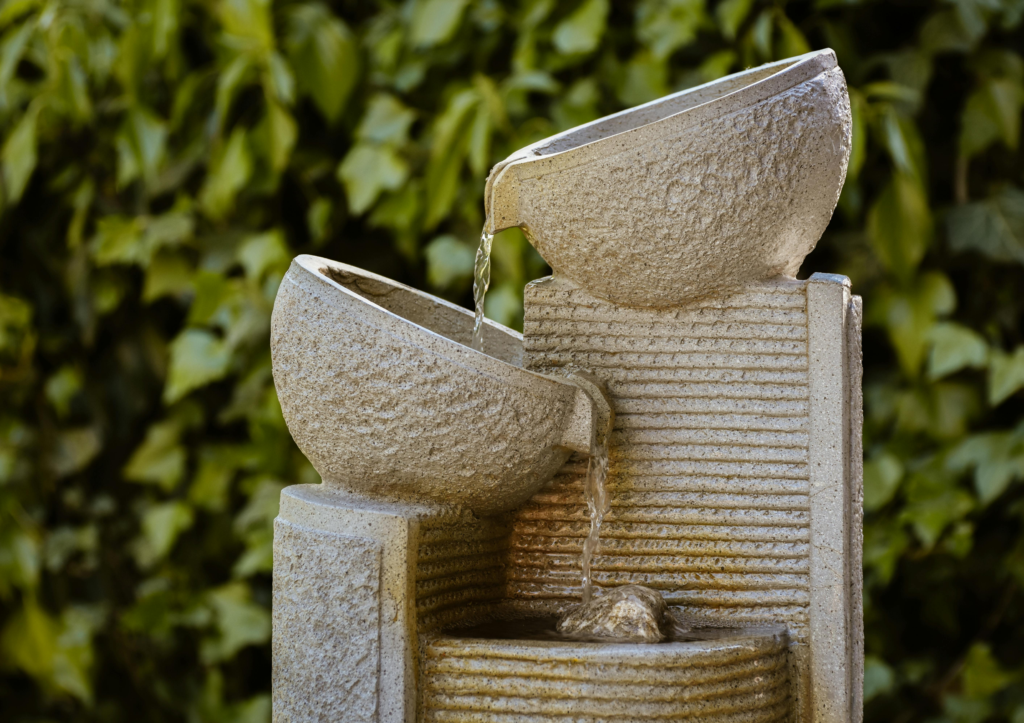
Your outdoor fountain deserves a winter break too! Whether you have a small garden fountain or a larger water feature, winterizing your outdoor fountain starts with removing water that could freeze inside the basin, pump or tubing.
Here’s how to winterize an outdoor water fountain:
- Turn off and unplug the pump: Disconnect the fountain from its power source before beginning maintenance.
- Drain the water: Empty the fountain, including any water remaining in the basin, tubing and other accessible components.
- Clean and store the pump: Remove debris and mineral buildup, then store the pump according to the manufacturer’s instructions.
- Protect the fountain: Move smaller fountains indoors when possible. For larger fountains, follow the manufacturer’s winterization guidance and use a weather-resistant cover if recommended.
Have a small backyard pond? Winter preparation depends on whether it contains fish or aquatic plants. Remove fallen leaves and debris, protect pumps and plumbing according to the manufacturer’s instructions, and follow appropriate winter care guidance for any pond inhabitants. Unlike decorative fountains, ponds with fish generally shouldn’t be drained for winter.
A Few More Outdoor Water Fixtures to Check
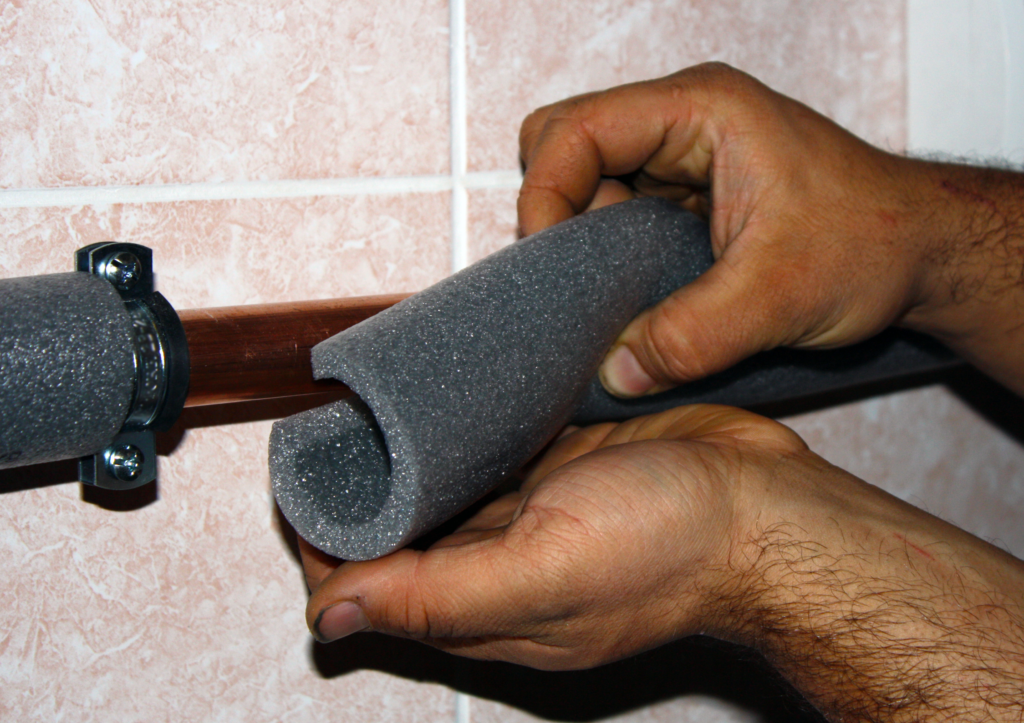
Before you wrap up your outdoor plumbing winterization, take one last look around your home:
- Exposed water pipes: Check pipes in unheated garages, crawl spaces and other areas vulnerable to freezing temperatures. Protect exposed plumbing with properly fitted pipe insulation. Want to know more? Explore ACSA’s tips for how to keep your pipes from freezing this winter.
- Rain barrels: Drain and disconnect rain barrels before freezing weather arrives. Empty attached hoses and store removable components according to the manufacturer’s instructions. Have you been thinking about getting a rain barrel? Read more about the ACSA conservation program that provides rain barrel rebates.
- Outdoor showers and utility sinks: Shut off and drain their water supply according to your plumbing setup or the manufacturer’s instructions.
These small steps can help prevent frozen pipes, reduce the risk of leaks and conserve water throughout the colder months.
A Little Winter Prep Goes a Long Way
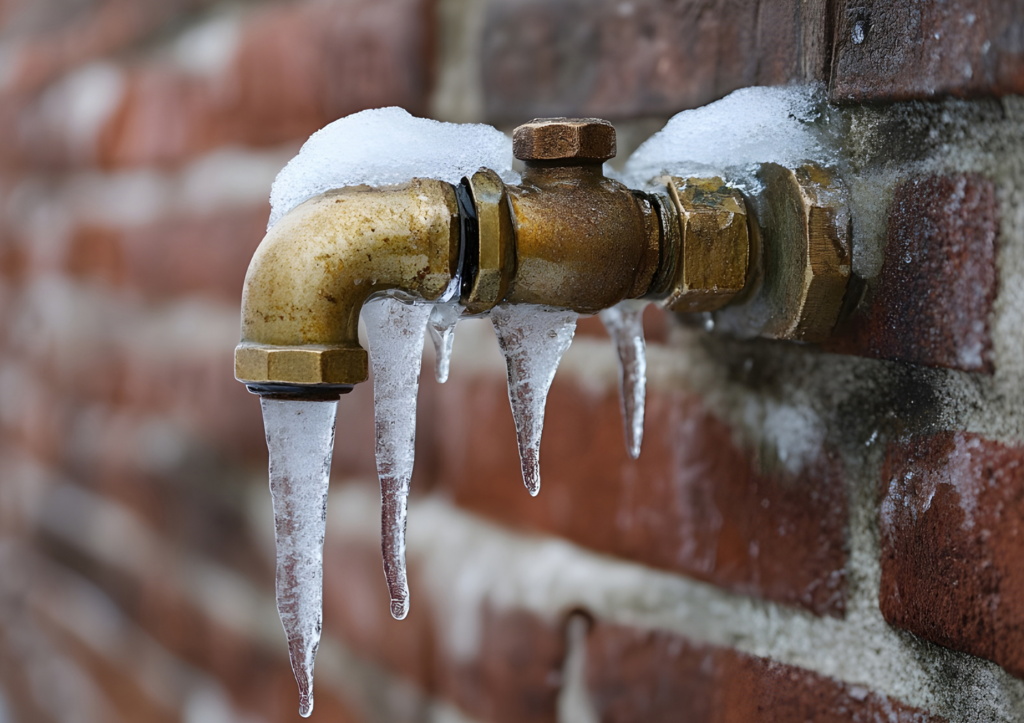
Winterizing your outdoor plumbing doesn’t have to be a big project. A few simple steps can help protect your fixtures, prevent leaks and unnecessary water loss, and make spring maintenance easier.
Before you call it a season, take a few minutes to locate your home’s main water shutoff valve too. Knowing where it is can come in handy year-round.
Consider it one more thing crossed off your winter to-do list. Your yard can take it from here.


Acompáñenos a las 9:00 a. m. para nuestra reunión mensual de la Junta Directiva. Puede...
¡Por favor, únase a nosotros para felicitar a nuestro último empleado del mes, Josh Chidester! Josh trabaja…
Por favor, únase a nosotros el jueves 15 de octubre de 2026, a las 9:00 AM, para nuestra reunión mensual del Consejo de Administración...
¡Por favor, únase a nosotros para felicitar a nuestro último empleado del mes, Charles DaCosta! Charles trabaja…
La Autoridad de Servicios del Condado de Albemarle estará cerrada el viernes 16 de octubre de 2026 de las 12:00 a las 14:00 para…
 Spanish
 English