Are Flushable Wipes Really Flushable? Here’s What to Know.
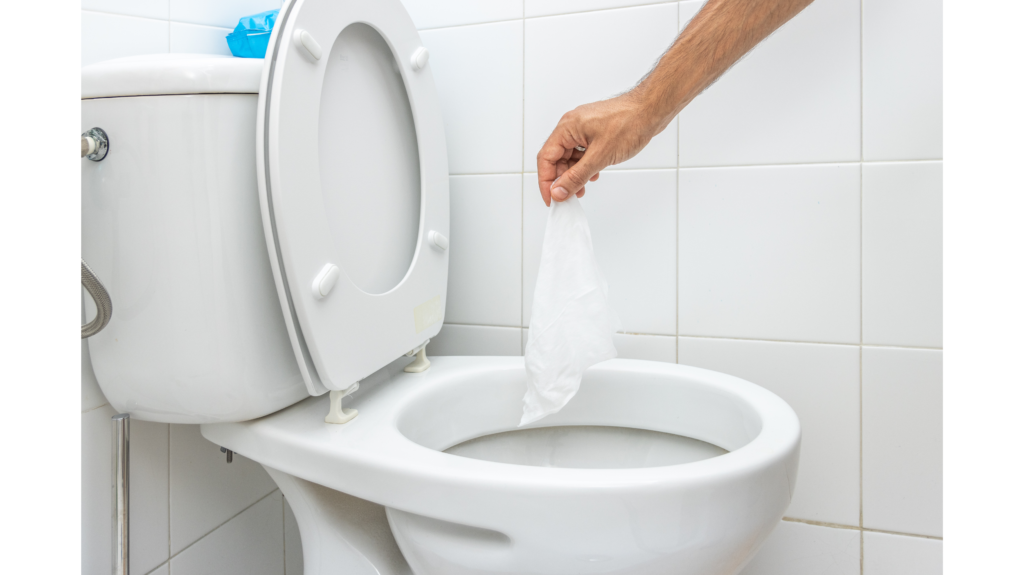
Every time you flush, your home connects you to Albemarle County’s wastewater system.
Your toilet isn’t just clearing waste from your house. It’s sending it into a network of pipes, pumps and treatment facilities that serves thousands of homes and businesses across our community.
That system is designed to handle only the 3 Ps: pee, poo and (toilet) paper.
When items like flushable wipes enter the system, they don’t break down the way toilet paper does. Despite the label, flushable wipes are not flushable in modern sewer systems. Instead of dissolving, they stay intact as they travel through pipes and can catch on equipment. Over time flushable wipes clog pipes, wrap around pumps and contribute to sewer system blockages that crews must remove manually.
Quick Answer: Are Flushable Wipes Really Flushable?
- No. Flushable wipes are not flushable.
- Unlike toilet paper, wipes do not break down in sewer systems.
- Wipes can clog pipes, wrap around pumps and cause sewer backups.
- To protect Albemarle County’s wastewater system, only flush pee, poo and toilet paper.
This is why protecting our community’s wastewater infrastructure starts with you. Choosing the trash can instead of the toilet helps prevent sewer backups, reduces strain on equipment, and keeps the system running smoothly for your household and your neighbors. If it’s not one of the 3 Ps, don’t flush it.
Why “Flushable” Wipes Don’t Break Down
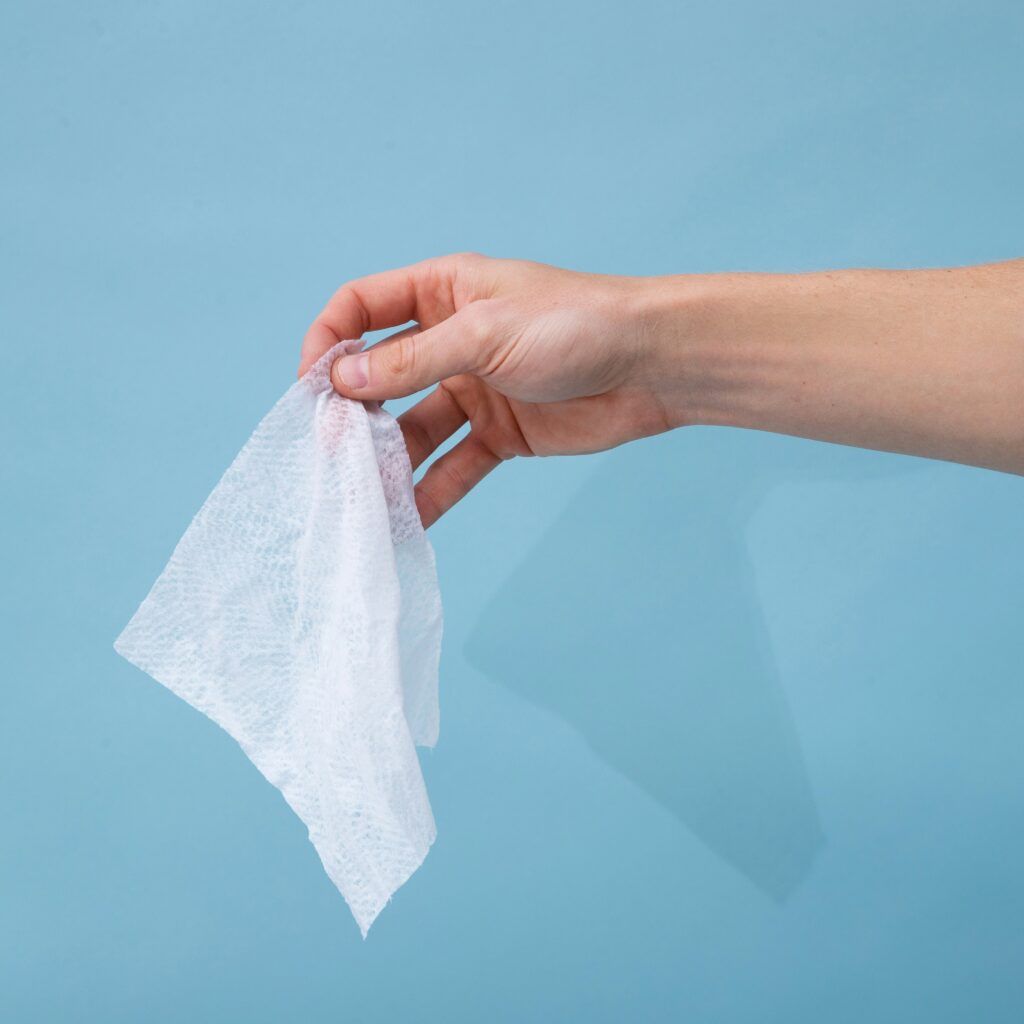
Toilet paper is engineered to break apart quickly in water so it can move safely through pipes and wastewater treatment systems.
Why are flushable wipes not flushable? Most wipes — even those labeled “flushable” — are made differently.
Many contain durable synthetic fibers designed to stay strong when wet. Independent testing and research by wastewater utilities nationwide, including guidance from the Water Environment Federation, have found that flushable wipes do not dissolve in sewer systems the way toilet paper does. Instead of dispersing, they remain intact as they travel through pipes.
The U.S. Environmental Protection Agency (EPA) notes that non-dispersible materials (including wipes) can contribute to sewer blockages and increase maintenance needs. Utilities across Virginia warn that flushable wipes cause sewer system problems: clogged pipes, pump damage and costly repairs.
As wipes move through Albemarle County’s sewer system, they can snag on pipe surfaces or wrap around mechanical pumps. Over time they combine with other debris. This forms dense clogs that must be removed to prevent sanitary sewer overflows and service disruptions.
These maintenance efforts require time, labor and resources — and they’re entirely preventable.
A Small Habit That Protects the Community
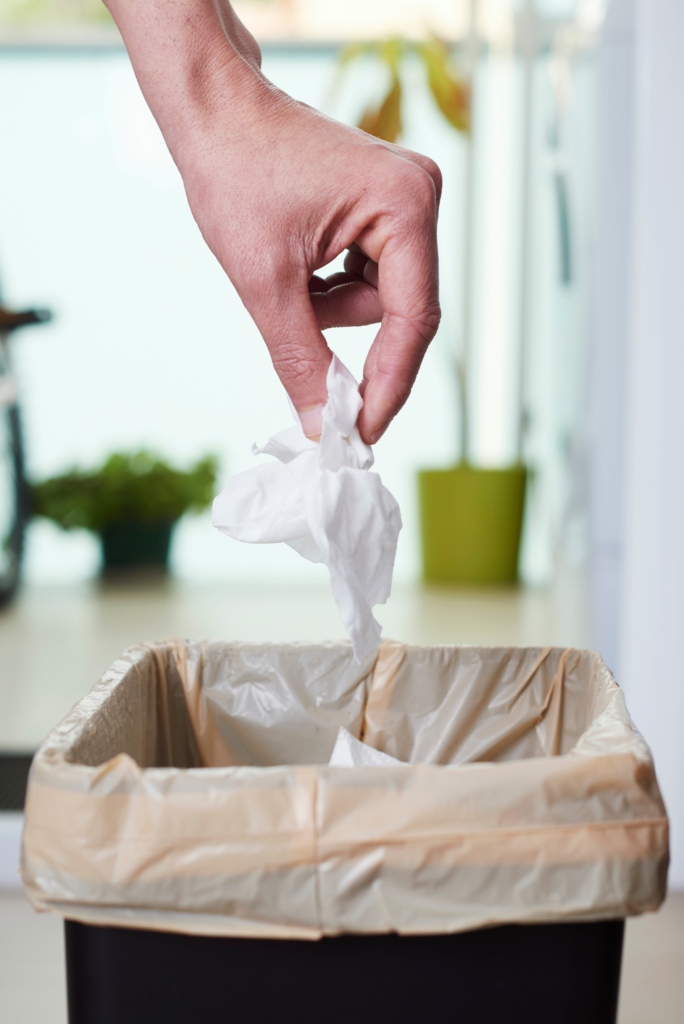
The simplest rule is also the most memorable: only flush the 3 Ps: pee, poo and (toilet) paper.
Everything else — including flushable wipes, baby wipes, disinfecting wipes, paper towels and hygiene products — belongs in the trash. Even products marketed as flushable can clog sewer lines and increase the risk of sewer backups.
When residents help prevent sewer system problems, they protect shared wastewater infrastructure. This reduces emergency repairs and supports reliable service across Albemarle County.
It’s a simple choice at home. But across thousands of households, it makes a measurable difference.
Frequently Asked Questions About Flushable Wipes
No. Despite the label, flushable wipes are not truly flushable in modern sewer systems. Unlike toilet paper, they can remain intact as they travel through pipes, contributing to sewer system blockages.
No. Dude Wipes, baby wipes and similar products should not be flushed, even when marketed as “flushable.” The only things safe to flush are the 3 Ps: pee, poo and toilet paper.
Yes. Most flushable wipes do not dissolve in sewer systems the way toilet paper does. They are often made with durable synthetic fibers that stay strong when wet, increasing the risk of clogged pipes and equipment damage.
When wipes are flushed, they can catch on pipe surfaces or wrap around pumps inside wastewater treatment systems. Over time this can lead to wipes clogging sewer lines, costly maintenance, and an increased risk of sewer backups or sanitary sewer overflows.
To protect Albemarle County’s public wastewater system, only flush the 3 Ps:
- Pee
- Poo
- (Toilet) Paper
Everything else, including wipes, paper towels and hygiene products, belongs in the trash.
Some wipes are labeled “flushable” based on manufacturer testing or marketing standards, but that does not mean they break down safely in real-world sewer systems the way toilet paper does. In practice, many wipes stay intact long enough to clog pipes, tangle pumps and create problems for wastewater systems. That’s why Albemarle County recommends flushing only the 3 Ps: pee, poo and (toilet) paper.
Citations
- Water Environment Federation (WEF). “Non-flushable wipes and sewer blockages.”
- U.S. Environmental Protection Agency (EPA). “Sanitary Sewer Overflows and Blockages.”


Please join us on Thursday, March 19, 2026 at 9:00AM for our monthly Board of…
Please join us in congratulating our latest employee of the month, Mark Clinedinst! Serving as…
Albemarle County & Charlottesville Water Supply Plan at a Glance Having clean, safe drinking water…
Please join us on Thursday, February 19, 2026, at 9:00AM for our monthly Board of…
VA 811 at a Glance There you are: You have all your tools ready. Your…
 English
  Spanish